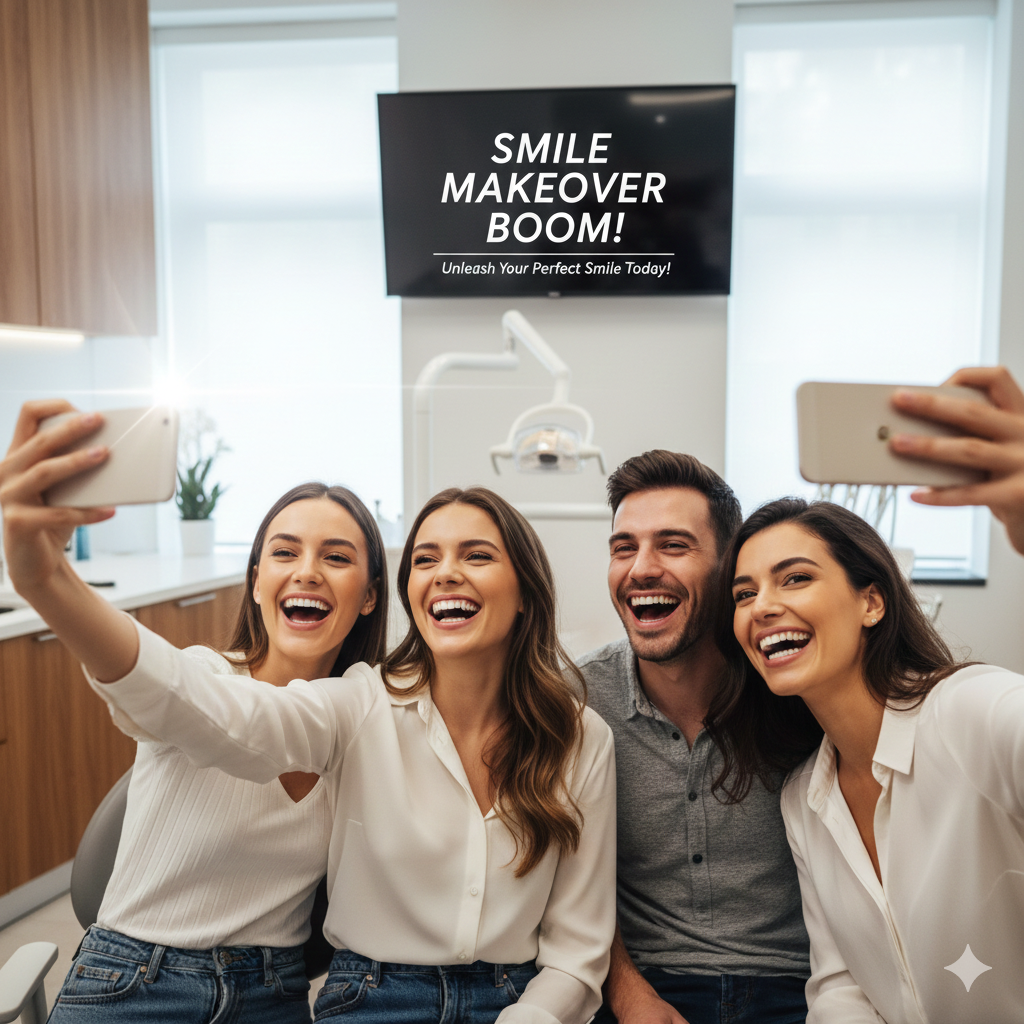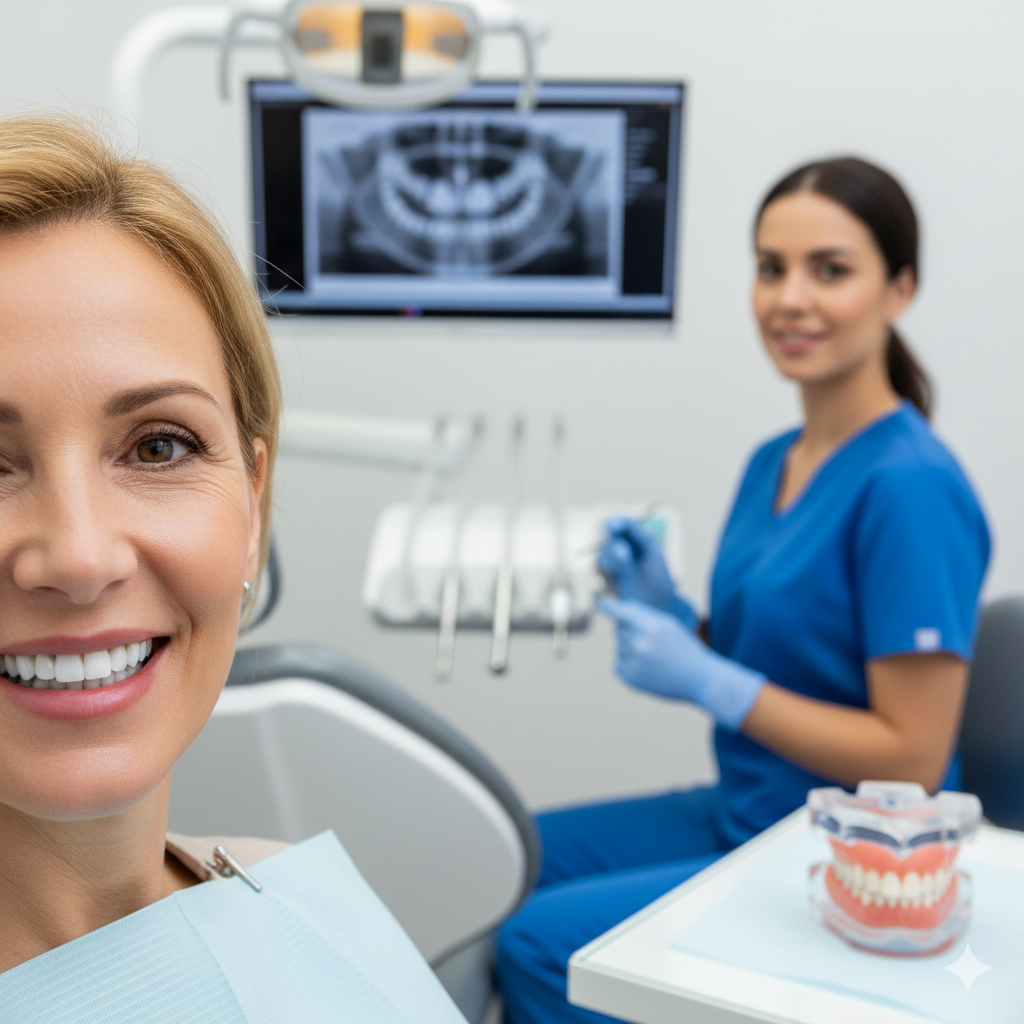
The Smile Makeover Boom: a Billion-Dollar Marketing Opportunity
The global market for smile makeovers is expanding fast. What was once a niche service has grown into a billion‑dollar industry. More people see cosmetic dentistry as essential. They want confidence, comfort, and a great first impression. A perfect smile has become a symbol of health and success.
Social media and celebrity culture have magnified this trend. Photos, videos, and stories about dramatic transformations are everywhere. People now expect more from dental care than simple cleanings and fillings. They want a total smile upgrade. This shift has created unprecedented demand for advanced cosmetic and restorative dentistry. From whitening to full‑mouth reconstructions, patients are seeking comprehensive solutions.
Dentists are responding with new services and expertise. Practices that once focused on general care now offer tailored smile plans. These include veneers, crowns, implants, orthodontics, gum reshaping, and cosmetic bonding. Each plan is designed to improve form and function. In every case, the goal is a healthier, more attractive smile.
This boom is a marketing opportunity. Savvy dental practices are building brands around smile makeovers. They use digital ads, social media content, and patient stories to attract new clients. The power of real before‑and‑after photos is huge. Potential patients see results, imagine their own transformation, and take action.
A key part of success in this market is trust. People want to know the professionals behind the procedure. They seek credentials, experience, and a clear vision for their smile. Practices that highlight their experts rise to the top. For example, their team of smile makeover specialist dentists at is shown with real bios and photos. This builds confidence in prospective patients. It also creates a human connection before someone even books a visit.
Marketing in this niche must balance education with inspiration. Patients need to understand the options. They also need to feel excited about the possibilities. Content that explains procedures in simple terms works best. Videos, FAQs, and patient testimonials help solve doubts and reduce anxiety. Most people know they want a better smile, but they may fear pain, cost, or long recovery times. Smart marketing addresses these concerns directly.
Analytics show that most prospective patients begin their journey online. They search for terms like “smile makeover near me,” “best veneers,” and “cosmetic dentist reviews.” Practices that rank high in search results capture more leads. That means effective search engine optimization (SEO) is critical. Targeted keyword use, local listings, and strong website content help dental practices stand out.
Once visitors arrive on a website, the experience must be smooth. Fast load times, clear navigation, and compelling visuals keep people engaged. Calls to action like “Book a Free Consultation,” “See Your Smile Plan,” and “View Before & After Photos” increase conversions. The goal is to move a site visitor from curiosity to commitment with minimal friction.
Social proof plays a massive role in this market. Reviews on Google, Facebook, and specialized health platforms influence decisions. Patients are more likely to choose a provider with many positive reviews. Practices that encourage satisfied patients to leave feedback benefit from increased visibility and credibility. Real patient stories are especially powerful when they include images of transformations.
In addition to online marketing, local community engagement drives growth. Free smile assessments at events, school outreach programs, and partnerships with local businesses create goodwill. These activities build brand awareness in the places where potential patients live and work. Word‑of‑mouth referrals also grow when a practice is known for great results and excellent care.
Technology is another engine behind this boom. New tools make cosmetic procedures faster, more precise, and more comfortable. Digital smile design software can show patients their future results before treatment begins. Minimally invasive techniques reduce discomfort and recovery time. These advances are marketed as benefits that set leading practices apart from competitors.
Costs for smile makeovers vary widely. Some services like whitening are affordable, while full smile reconstructions can be expensive. Despite this, demand remains strong. Patients are willing to invest in their smiles because they see long‑term value. Practices that offer flexible financing and payment plans make these services accessible to more people. Transparent pricing also builds trust and reduces hesitation.
Training and specialization are essential. Not every dentist has the skills required for comprehensive smile makeovers. Those who invest in advanced education differentiate themselves. Patients notice when a provider has dedicated training and experience in aesthetic and restorative procedures. Practices often highlight certifications, awards, and specialized training to signal expertise. This is why pages that showcase professionals—like their team of smile makeover specialist dentists are so effective in converting prospects.
The marketing strategies that work in this sector combine education, authenticity, and clarity. Prospective patients want to feel informed, supported, and excited about their options. Content that answers questions, showcases real results, and highlights expert professionals creates a strong foundation for growth. Email newsletters with tips, treatment spotlights, and patient success stories keep audiences engaged over time.
Another important trend is personalization. Patients respond well to tailored messages and customized treatment options. Marketing automation tools help practices send relevant content based on where someone is in their journey. Someone who downloads a guide to veneers might receive emails about cost, longevity, and maintenance. Personal touches build connection and trust.
Social media influencers and paid ads have become powerful tools in the smile makeover market. Influencers with large followings can showcase their dental journeys. This exposure brings attention to treatments that many people might not have considered. Paid ads with targeted demographics help reach individuals who are likely to be interested in cosmetic dentistry services.
Video content has grown rapidly in importance. Short clips that highlight smile transformations are especially effective on platforms like Instagram and TikTok. These videos are visual proof of results and are shared widely. Longer videos that feature patient interviews build deeper trust. Prospective patients hear real voices and real experiences, which increases confidence.
Email marketing remains high value. Once a practice captures a lead’s email, it can nurture that relationship over time. A sequence of emails can educate, inspire, and encourage booking a consultation. Content that offers value—like tips for dental health or advice on choosing the right cosmetic procedure—strengthens the connection.
Analytics and performance tracking guide marketing decisions. Successful practices monitor their website, ad campaigns, social media, and lead sources. Data reveals what works and what doesn’t. Teams then refine their approach, investing more in channels that deliver results. Testing different headlines, visuals, and offers helps improve performance over time.
Referral programs are another growth driver. Patients who love their new smile often know others who want similar results. Practices that offer incentives for referrals see increased bookings. This might be discounts, gift cards, or other rewards that encourage word‑of‑mouth growth.
As competition increases, differentiation becomes crucial. Practices that focus on a specific niche—like digital smile design or minimally invasive cosmetic solutions—can stand out. Strong branding and clear messaging help prospective patients understand what makes a practice unique. High‑quality photography, professional videos, and polished branding materials contribute to a perception of excellence.
The economics behind the smile makeover boom are compelling. People are spending more on elective dental services than ever before. This trend is not limited to a single region; it is global. As awareness grows and stigma around cosmetic dentistry fades, demand continues to rise. Practices that position themselves as leaders in smile transformations are capturing significant market share.
Marketing budgets for these services are increasing. Practices are allocating funds to digital platforms, content creation, community engagement, and patient experience enhancements. Every touchpoint is seen as an opportunity to attract and retain patients. Patient care and marketing are no longer separate departments—they work together to create growth.
A smile makeover is not just cosmetic. Many procedures improve oral health and function as well as appearance. Patients who once struggled with dental pain or bite issues find relief through comprehensive care. This dual benefit makes the investment more attractive and meaningful.
Ultimately, the smile makeover boom represents a shift in how people view dental care. It is no longer just about fixing problems. It is about enhancing confidence, well‑being, and quality of life. Practices that understand and lead in this space are poised for sustained success. The market is large, growing, and full of opportunities for those who combine excellent clinical skills with smart, patient‑centric marketing.